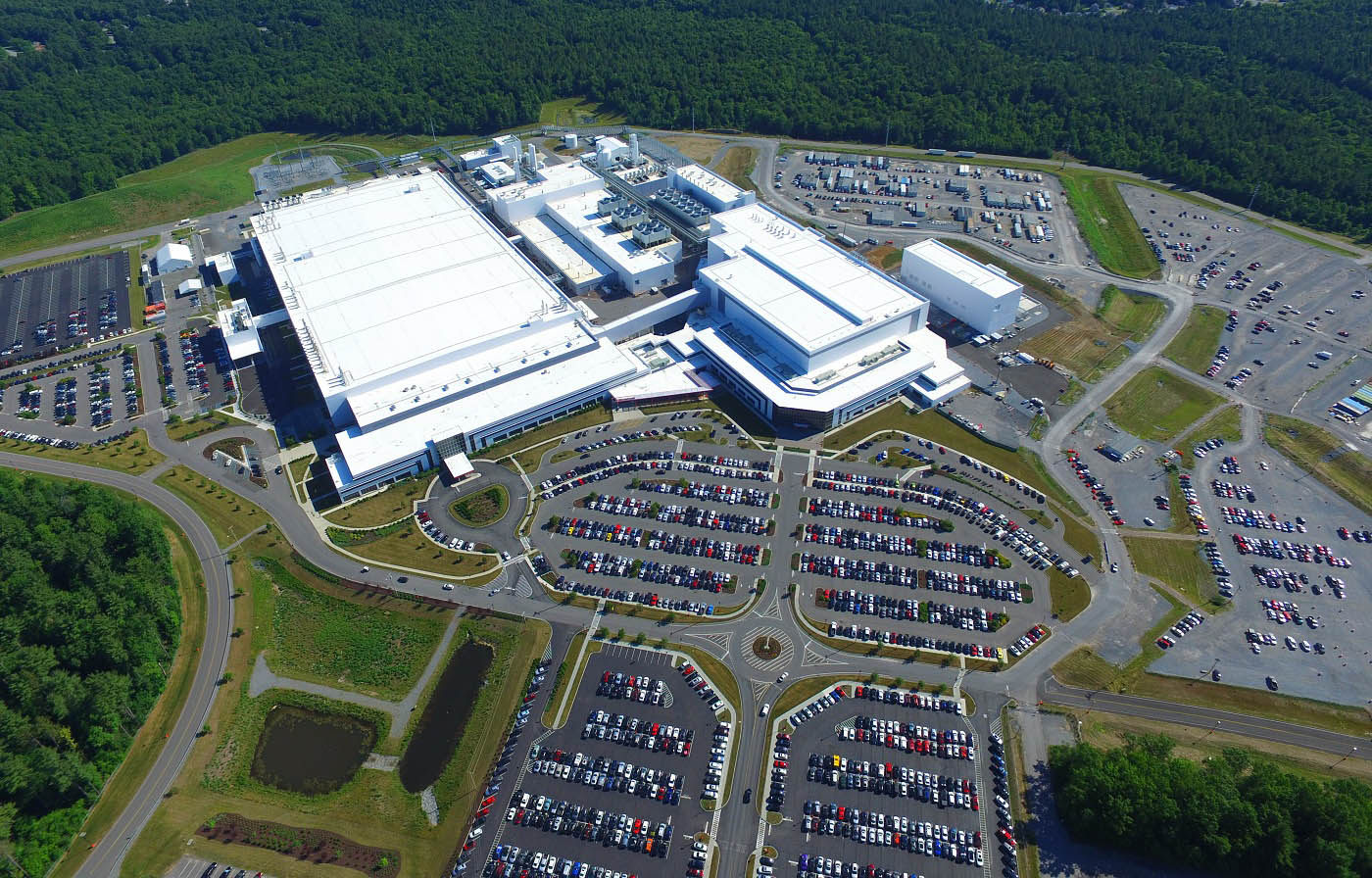
 GlobalFoundries, which manufactures AMD's current Ryzen and Radeon chips, has surprisingly announced that it will stop all development work on next-gen 7-nanometer processors. Furthermore, it has no plans to develop future 5- and 3-nanometer technology, either. The company (which spun off from AMD in 2009) said it simply can't afford t o spend billions of dollars developing new lines to keep up with its main rivals, Samsung and TSMC. Instead, it will stick to current-generation 12/14-nanometer processes and expand product offerings around that tech. At the same time, AMD confirmed that it will be manufacturing future 7-nanometer products, including Zen 2 CPUs and Navi GPUs, with TSMC. Those crucial future products will help it at least stay even with rival Intel and possibly leapfrog its 10-nanometer chips. AMD had already said it would build them with TSMC, which came as a bit of a surprise to the industry at the time. It now makes sense based on the news from GlobalFoundries, however. 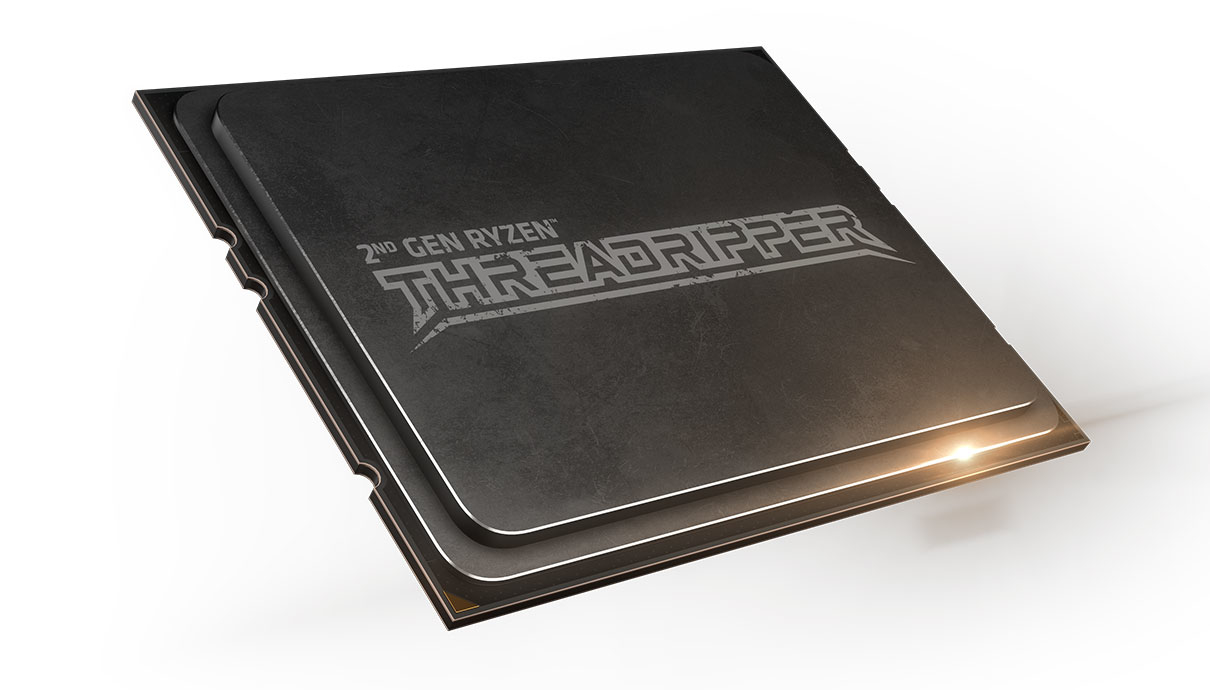
In a MarketWatch interview, AMD said that GlobalFoundries bowing out could affect production capacity, but added that working with a sole manufacturer will simplify 7-nanometer development. The company will continue to work with GlobalFoundries on its current Ryzen and Radeon chips. "Malta [GlobalFoundries 14/12-nanometer facility] will remain a large part of our volume," said AMD CEO Lisa Su. Last year, GlobalFoundries said that its 7-nanometer LP chips would arrive in 2018, and chips made using bleeding edge EUV (extreme ultra-violet) by 2019. However, moving to 7-nanometer LP lithography is a big jump from the current 14/12-nanometer process, and reportedly would have cost the company $10 billion-plus for a single fabrication line. The investor behind GlobalFoundries, Mubadala in the United Arab Emirates, is apparently not inclined to spend that kind of cash on a company that has never made a profit. "Lifting the burden of investing at the leading edge will allow GlobalFoundries to make more targeted investments in technologies that really matter to the majority of chip designers in fast-growing markets such as RF, IoT, 5G, industrial and automotive," said Garner VP Samuel Wang in GlobalFoundries' press release. Source: GlobalFoundries
via Engadget RSS Feed https://ift.tt/2wmgSIq |





Comments
Post a Comment