Tech,Space,Gaming, and Science Fiction News to wet your whistle
Plume launches SuperPod, its second-generation mesh WiFi puck
Get link
Facebook
X
Pinterest
Email
Other Apps
Plume is a WiFi company that offers a collection of wall socket-mounted nodes designed to sit in every room of your home. Don't worry if you haven't heard of it, as you're more likely to recognize Plume's rebranded hardware as Comcast's XFI gear. And a couple of years after launching its first-generation technology, Plume is back with an updated wall plug, and a whole new way to buy it.
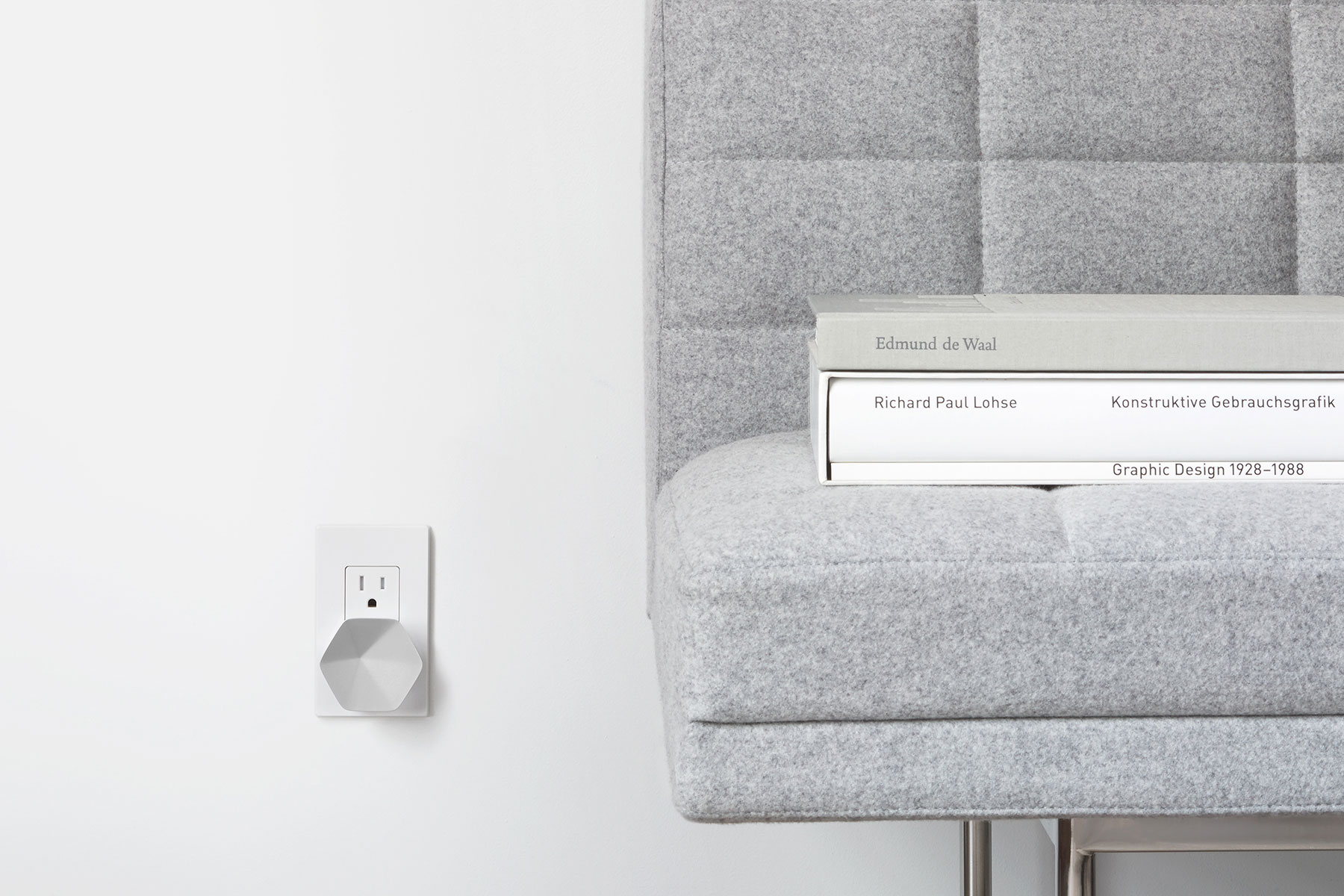
The new Plume SuperPod is essentially a better version of the OG pod, which looks like a very fancy USB charger permanently attached to an outlet. Unlike the first edition, however, the new model packs a tri-band WiFi radio with eight channels, compared to its dual band, four-channel predecessor. And whereas the first had just one ethernet port, the SuperPod is packing two, either to connect to backhaul, or to hook up a local device.
Plume's new hardware is designed to sit at the heart of your home, but will happily interface with the first generation models too. You're not expected to swap out your existing tech, but it might help improve coverage if you buy a SuperPod to help things along.
The other part of Plume's sales pitch is that so called "set and forget" mesh systems from Google and Eero only solve one issue: coverage. The company says that it's also just as important to co-ordinate the signals and tailor them to their specific needs. For example, console gaming requires low latency, whereas 4K video needs sustained throughput for optimum performance.
In order to solve this, Plume will offer a cloud-based management, control and optimization platform to subscribers. Those who cough up on a regular basis will get the benefit of the company's software know-how to offer WiFi that will offer a service tailored to each device's needs.
For new customers, Plume Adaptive WiFi will cost wither $60 a year, or you can buy a lifetime membership for $200. Existing customers, meanwhile, will get the new features for free as a show of gratitude for backing the company when it was in its infancy.
First-generation pods were priced at $69 individually once you had bought a starter pack suitable for the size of your home. And, naturally, the more pucks in the starter pack, the bigger the discount, with a six-unit box costing $329, or $55 a piece. That's all going out the window with the new system, however.
Now, users will need to buy either the annual or lifetime subscription and a starter pack and, depending on need, that could wind up costing you close to $500. Subsequent extra pods are pretty reasonable, however, with the older pucks going for just $39, with the SuperPods setting you back $99. You'll just have to decide for yourselves if having adaptive, full-strength WiFi in every room is worth that expense.
By Liam McCabe This post was done in partnership with Wirecutter . When readers choose to buy Wirecutter's independently chosen editorial picks, it may earn affiliate commissions that support its work. Read the full article here . After six summers of researching, testing, and recommending window air conditioners, we've learned that quiet and affordable ACs make most people the happiest—and we think the LG LW8016ER will fit the bill in most rooms. This 8,000 Btu unit cools as efficiently and effectively as any model with an equal Btu rating, and runs at a lower volume and deeper pitch than others at this price. Little extra features like a fresh-air vent, two-axis fan blades, and a removable drain plug help set it apart, too. The LG LW8016ER is a top choice for an office or den, and some people will find it quiet enough for a bedroom, too. If our main pic...
It's official. Sprint is definitely giving away free unlimited LTE data through 2018 to those who use laptops packing Qualcomm's Snapdragon 835 processor. We first learned of this last month , and the announcement today clarifies which devices qualify. If you own or buy the HP Envy X2 , ASUS NovaGo or Lenovo Miix 630 , you'll be able to get free unlimited data if you sign up for AutoPay with the carrier. This won't cover devices using the new Snapdragon 850 chipset , although that's not available in an actual computer yet, and we'll possibly hear more later this year. Always-available data connectivity is perhaps the biggest selling point of Windows on Snapdragon devices, which promise gigabit LTE speeds wherever you are. While it would be nice to see other carriers offer similar deals, just to have an alternative option, this offer makes these...
Currently priced at: 14.69 via https://ift.tt/HzrCcJa May 4, 2022 at 07:00PM Manage Unsubscribe from these notifications or sign in to manage your Email service. ...





Comments
Post a Comment